Contributors:
- Russ visited a Ham Radio Outlet in Virginia and bought a new Yaesu FT-7900R for his truck.
- Richard bought a Kenwood TS-50, some wire and antennas at the Belton hamfest, but hasn't installed them yet.
- John, EI7IG, says you don't need AX.25 support in the kernel to run XASTIR, since you're running the TNC in KISS mode. He also says that APRS is useful for emcomm events, disseminating local weather information, and passing short text messages.
- Tim, KI6BGE, recommends Resonant Frequency, Linux in the Ham Shack, and SolderSmoke in his October 29 blog entry.
Announcements:
- We received a donation from Paul during the last episode, and now Alex made a sizable donation. Thanks, Alex!
Links and Notes:
- Roundtable discussion with Kent VE4KEH, Paul from TeenRadioJourney, Matt KC8BEW, and Jim N3JIM.
- Jim runs Mac OS X and FreeBSD.
- Matt runs OpenSUSE, Ubuntu, Windows XP, and Linux Mint.
- Paul runs Windows XP and Ubuntu.
- Kent was running Debian, but now runs CrunchBang and Linux Mint.
- Topics include running packet, buying TNCs at hamfests, digital modes, fldigi, remote control operation of radios, EchoLink, IRLP, CW, 6 meters, repeaters, the HAARP project, 2m Slim Jim antenna, J-Poles, handy talks, and Richard loses his mind.
Music:
- "Company of Fools" by Great Big Sea from the album "Fortune's Favour"
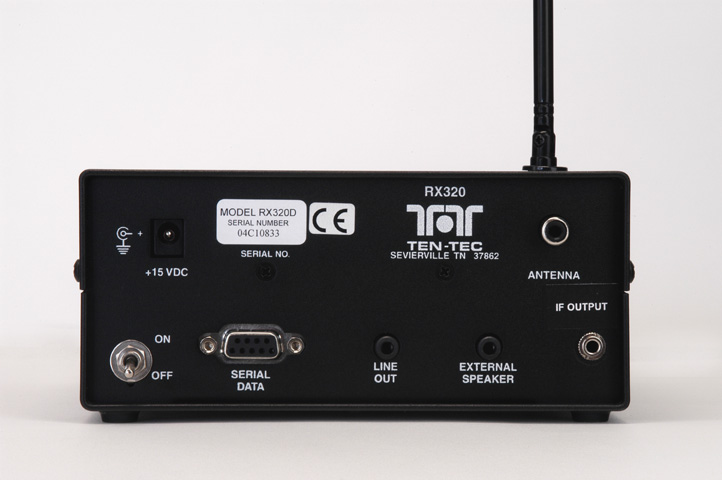 It's the holiday season, and our gift to our listeners is a brand new podcast. During my time at Ohio Linux Fest back in September, several of the participants who visited the Linux in the HAM Shack booth provided topic ideas for the program. I recently dug those topics up and Richard and I will be tackling them over the next few episodes. In Episode #026, the topic we decide to visit is shortwave listening, including hardware and Open Source software for that very purpose. SWL is a way for non-hams to approach the hobby without encountering mic fright, and a way for existing hams and non-hams alike to explore the world of radio frequency communication, whether it be foreign broadcasts, pirate radio, amateur radio or time beacons. With several manufacturers of equipment still in business, SWL is by no means a lost art, and may be an interesting extension to the amateur radio hobby for those who don't currently participate in it.